Garage door styles · Coppell · DFW
Garage door styles in DFW
Five families, and the differences that matter once the photograph is out of the way.
Pricing a new door? Garage door installation starts with a measurement of your opening, not a catalog.
What you can count on
- Upfront pricing. The price is on the estimate you approve before work starts, and the invoice matches it.
Five families
Five garage door styles
Choose the door around the opening, not around a catalog photo: one that looks right on a screen can read completely differently on your own elevation. Start with the family, then work down to the construction.
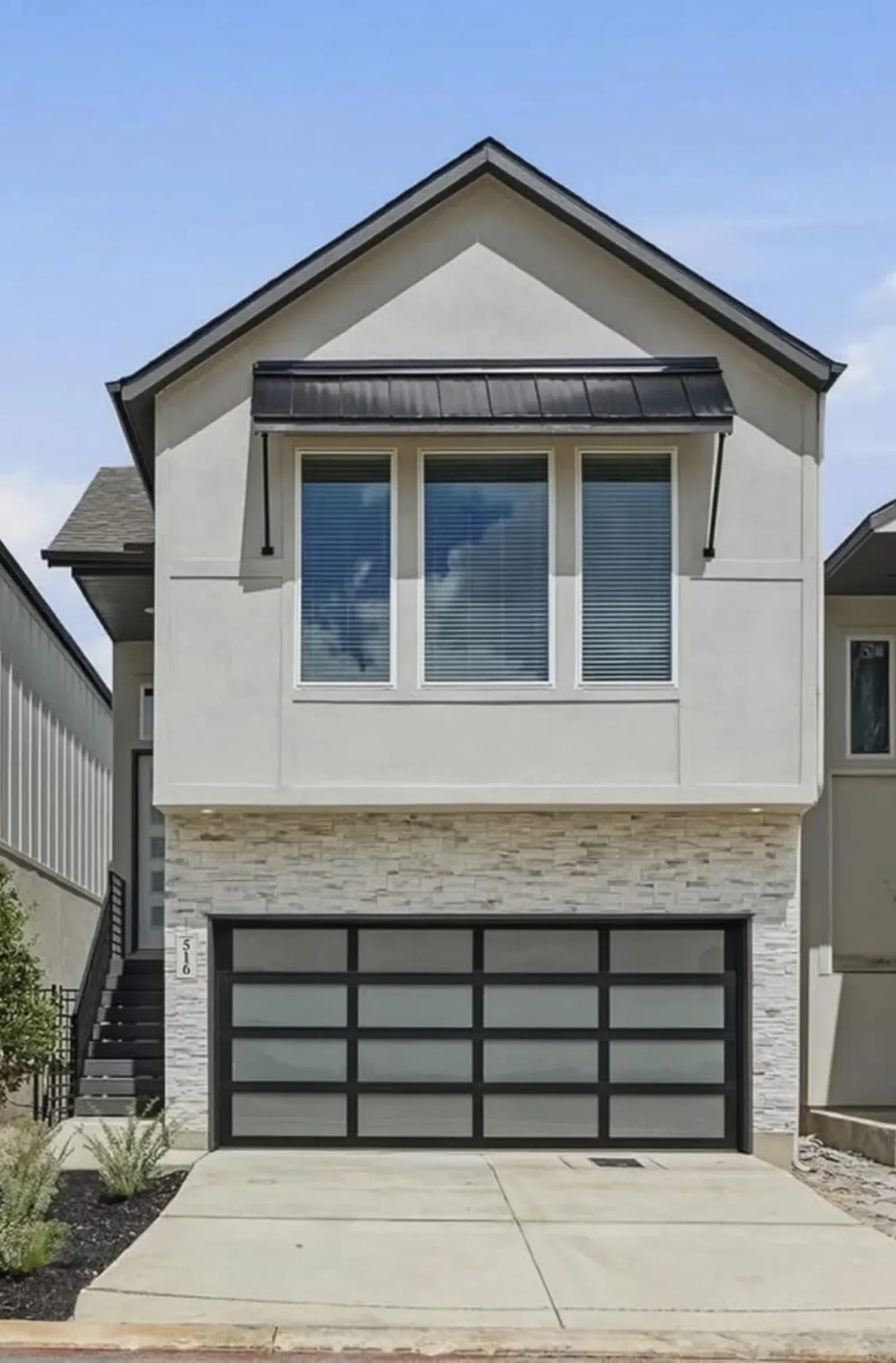
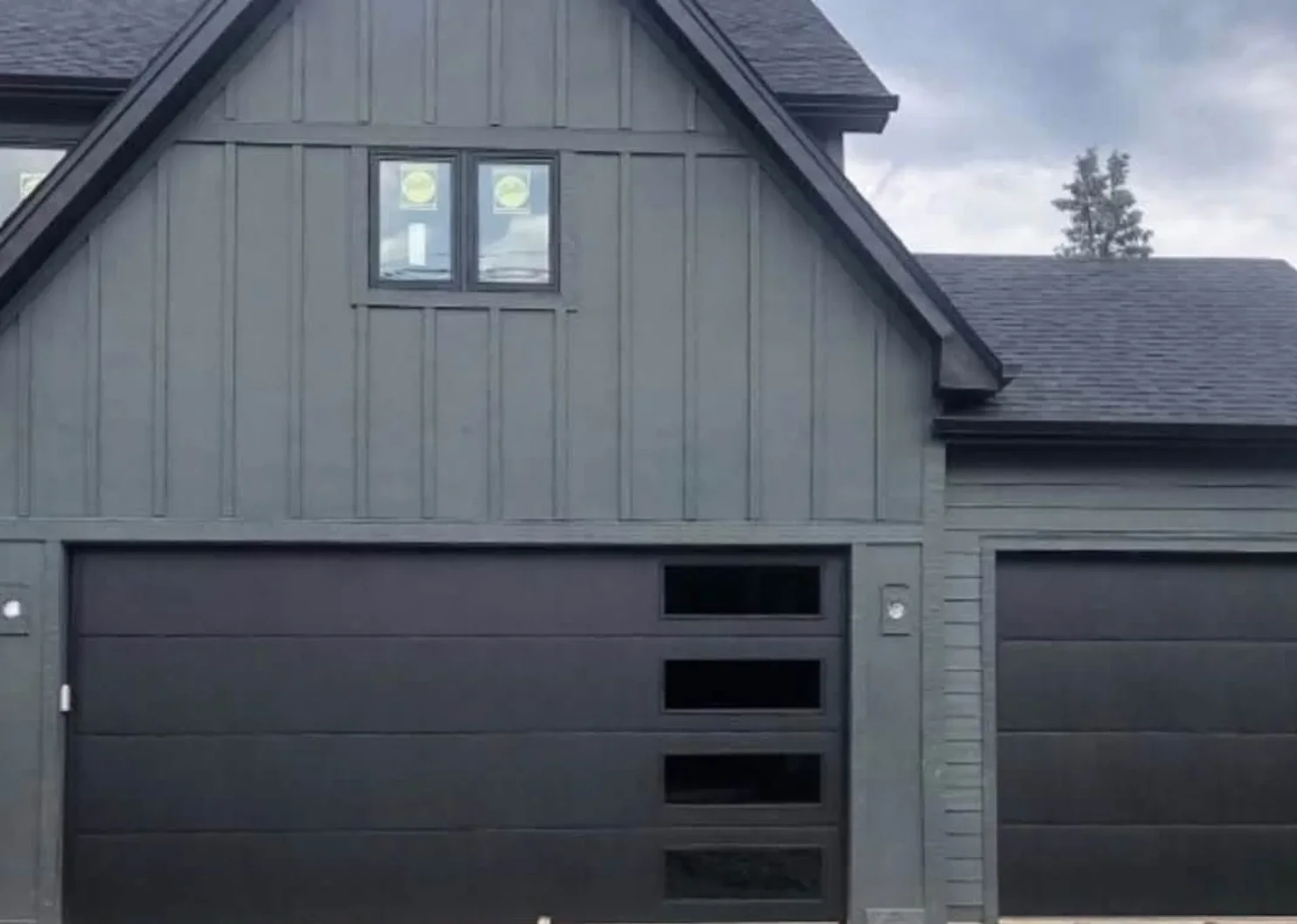
Garage door installation: how the opening is measured, what the written estimate covers, and what happens to the old door.
After you have chosen a look
Four questions that settle the rest.
Two doors with the same face can be built entirely differently. These are the questions that find out which one you are being shown.
- How is the garage used? A place a car sleeps and a room somebody works in are two different briefs. This is the question that decides insulation, and it decides it better than a number does.
- What has to fit the opening? Headroom, side room, the header, the track layout and the opener you already have. A door is fitted to an opening that has settled, not to a catalog drawing.
- What do the documents actually say? Layers, insulation, gauge, backing, reinforcement and the maker’s own warranty. Two doors with the same face can be built entirely differently, and that is usually where a price gap lives.
- What should the request include? Opening width and height, the current door’s material, whether the garage is attached, the colors you are working with, and one photo of the front of the house.
Before you replace anything
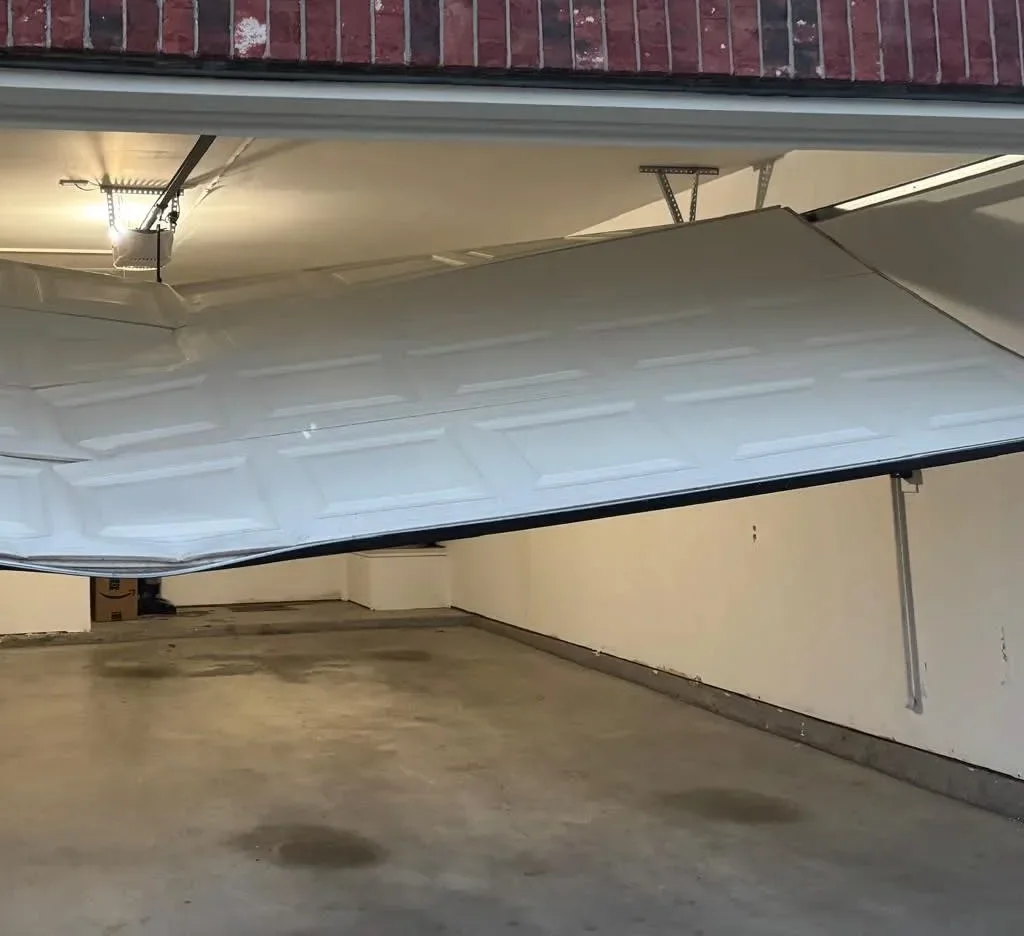
Repair, reface, or replace?
We repair first, and we say so. A cracked section, a bent track, worn rollers or a tired opener is a repair, and often a single section can be replaced rather than the whole door.
A door genuinely at the end of its life goes on the written estimate as a choice, with what it gets you — never as a push. If you are here because something broke rather than because you want a new look, start with the symptom instead.
On DFW streets
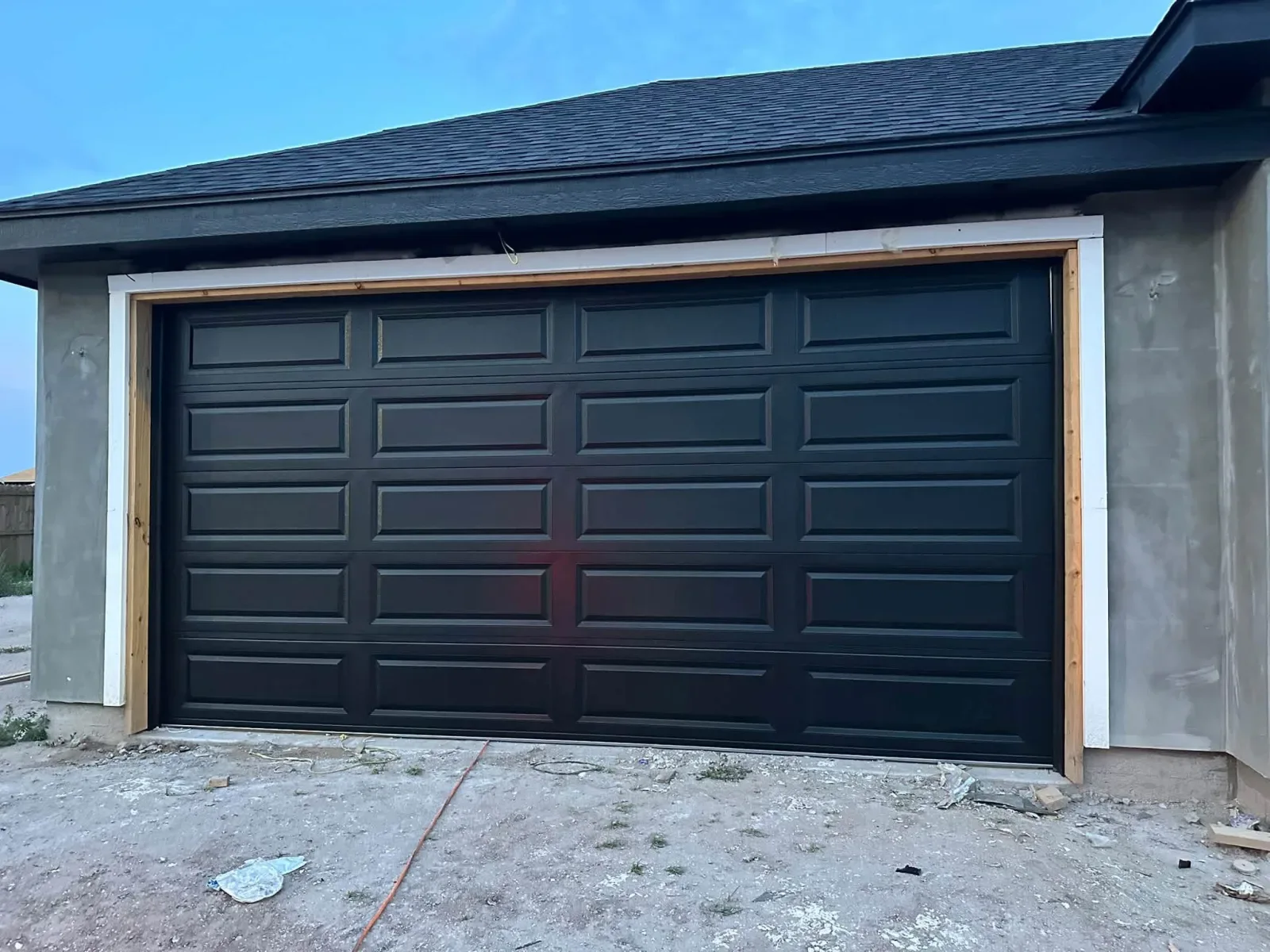
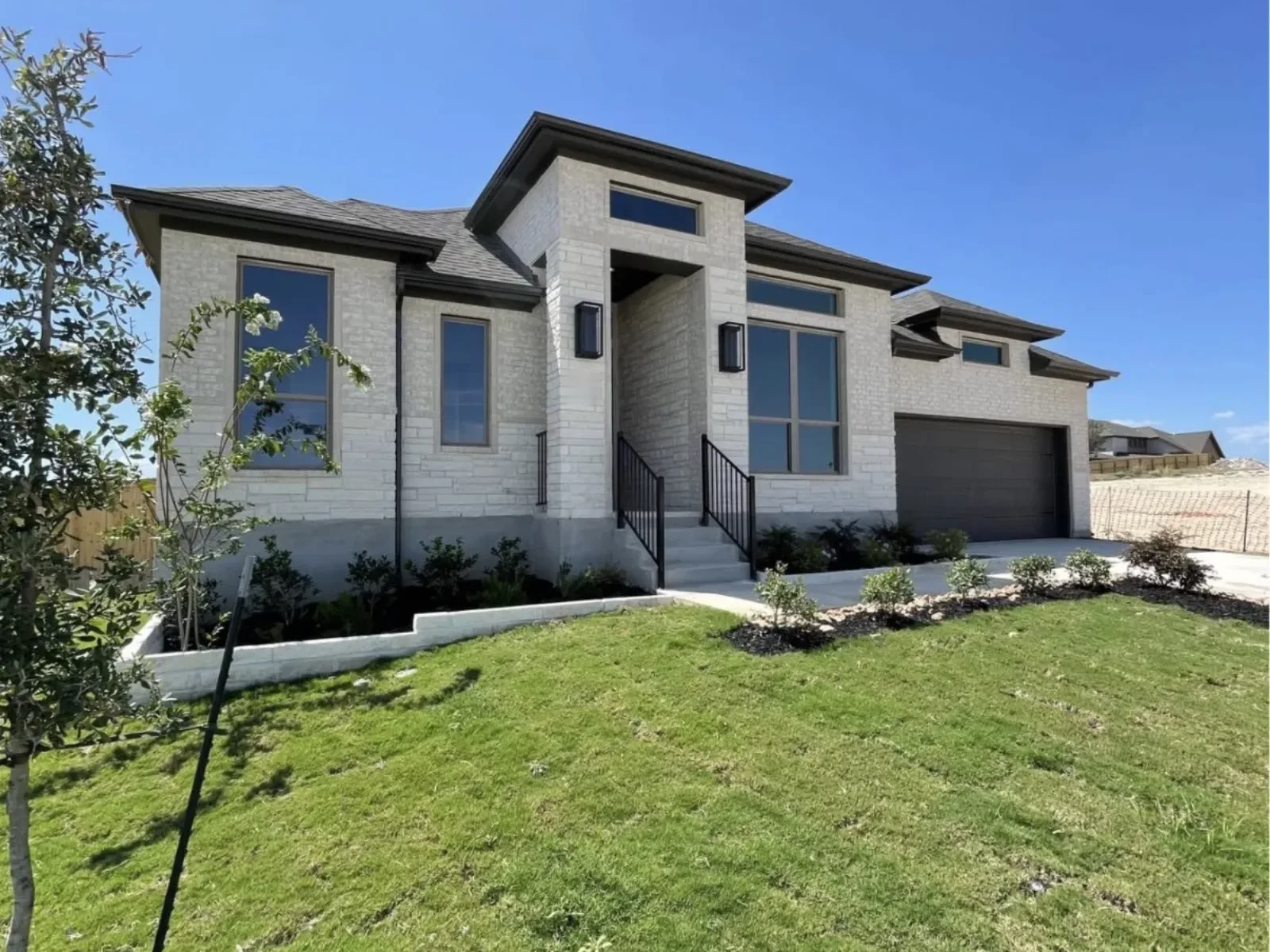
The same five families, on real elevations.
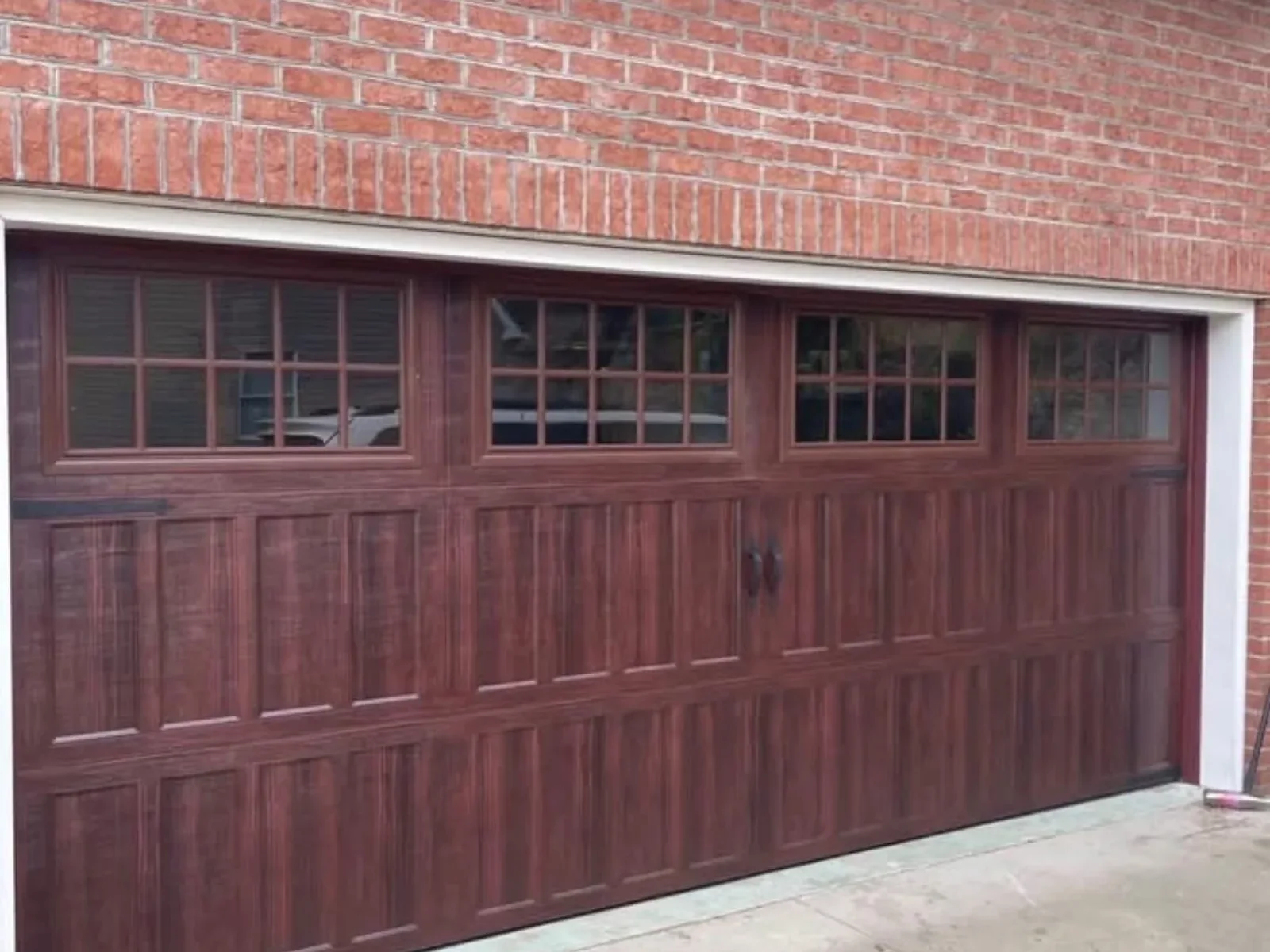
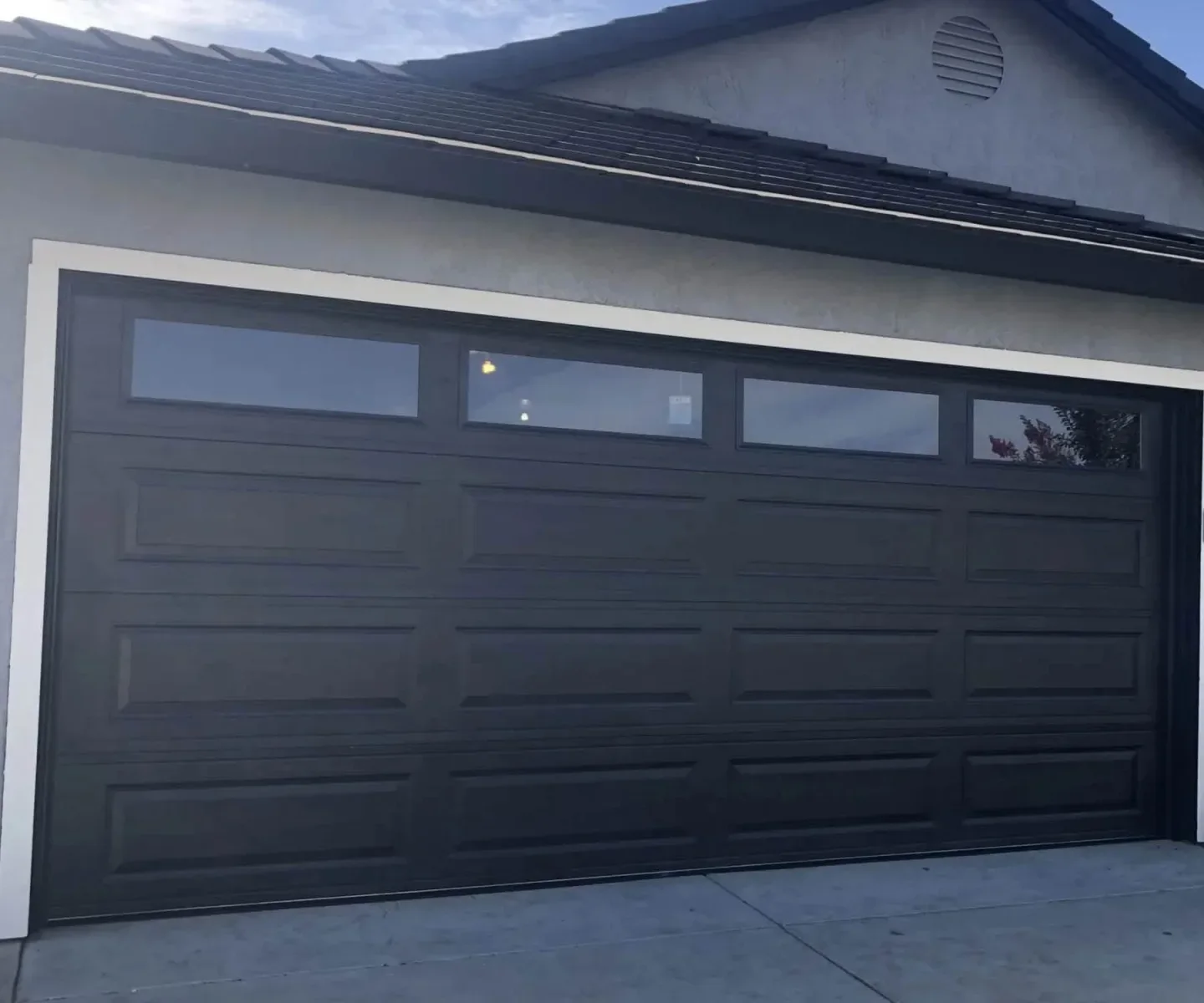
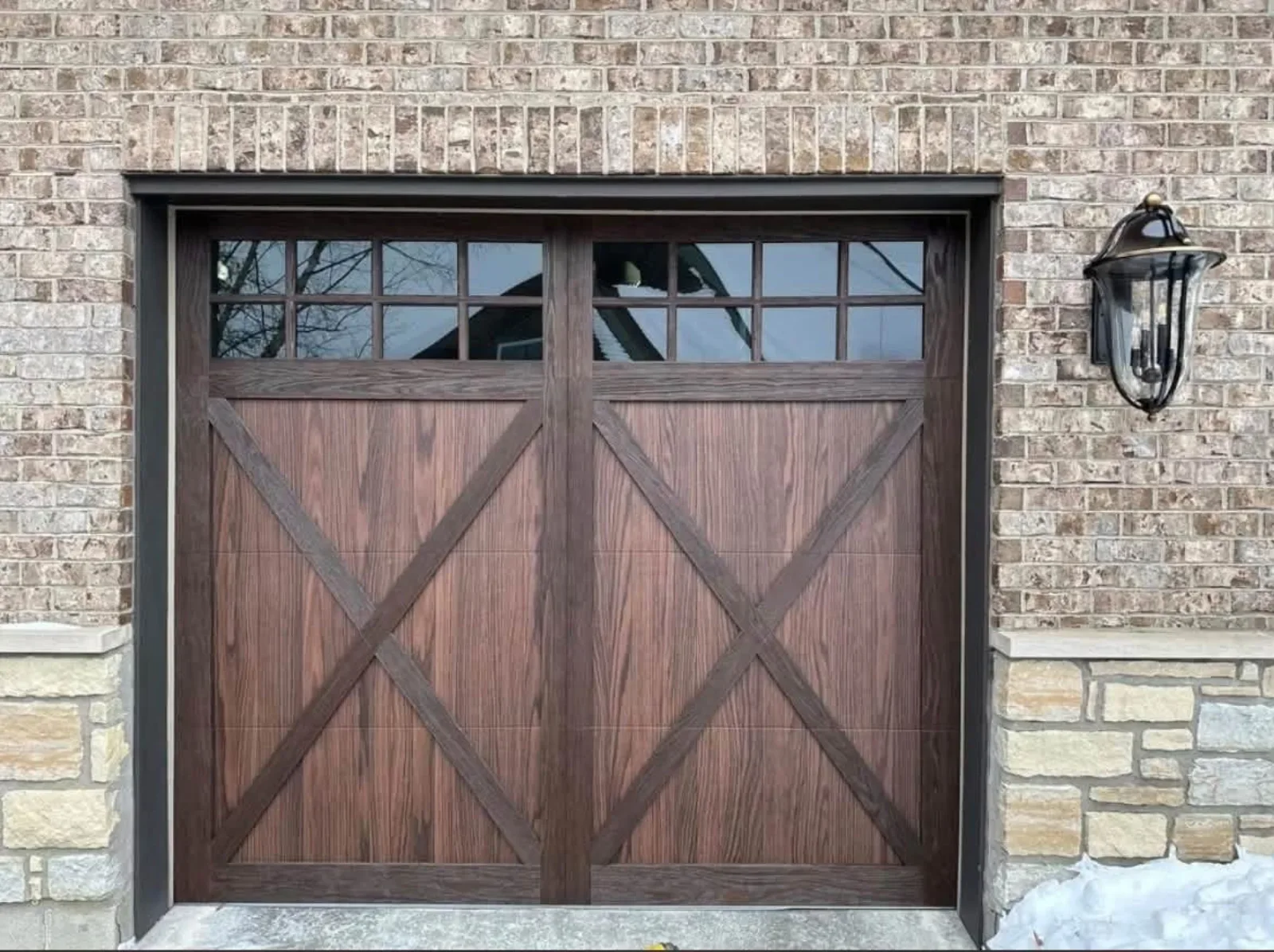
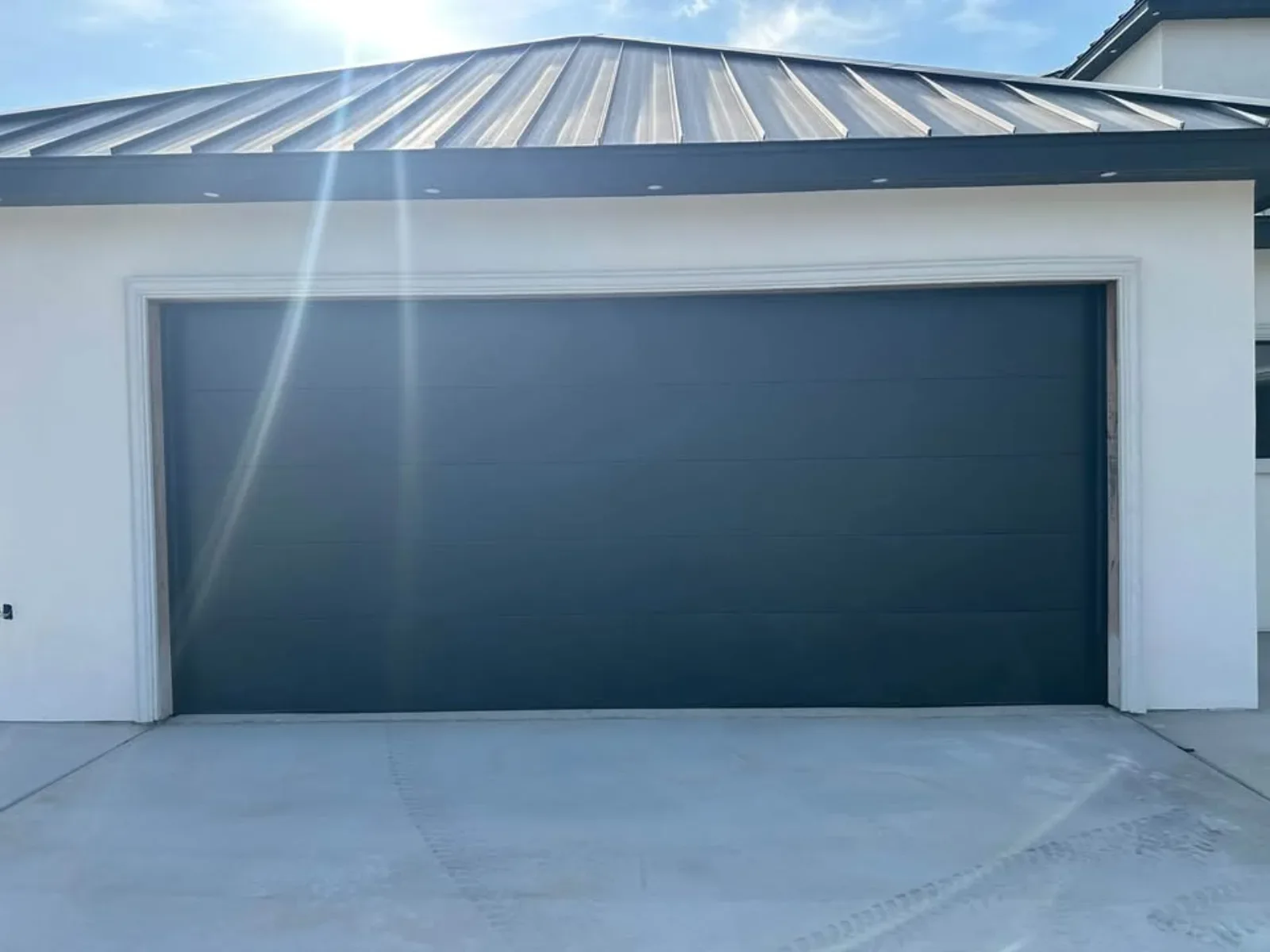
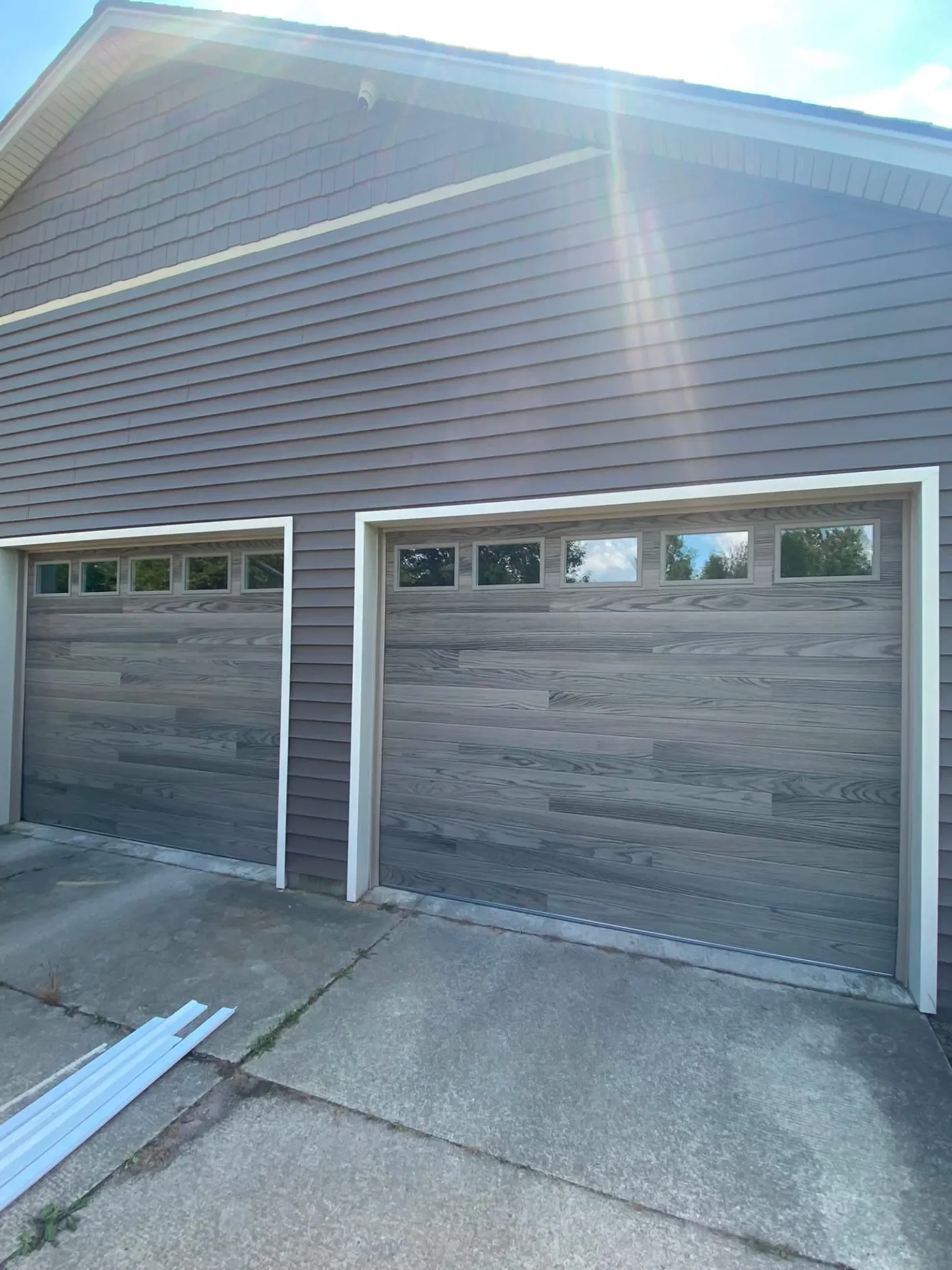
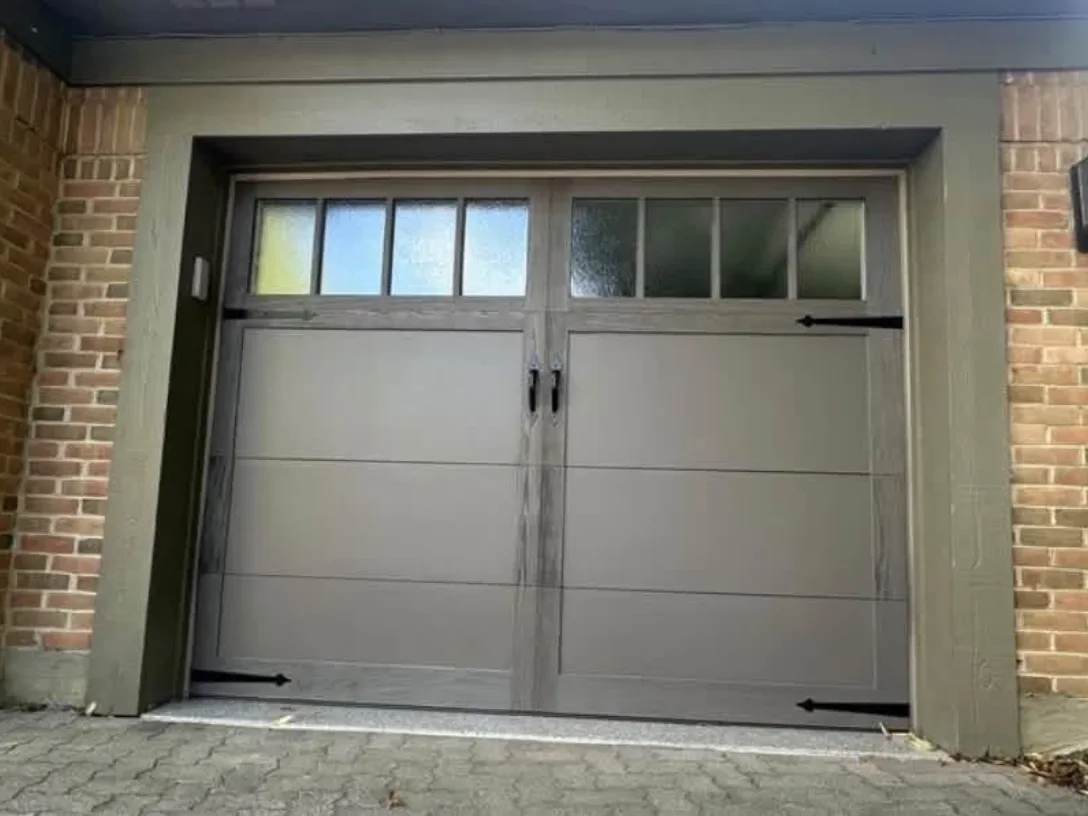
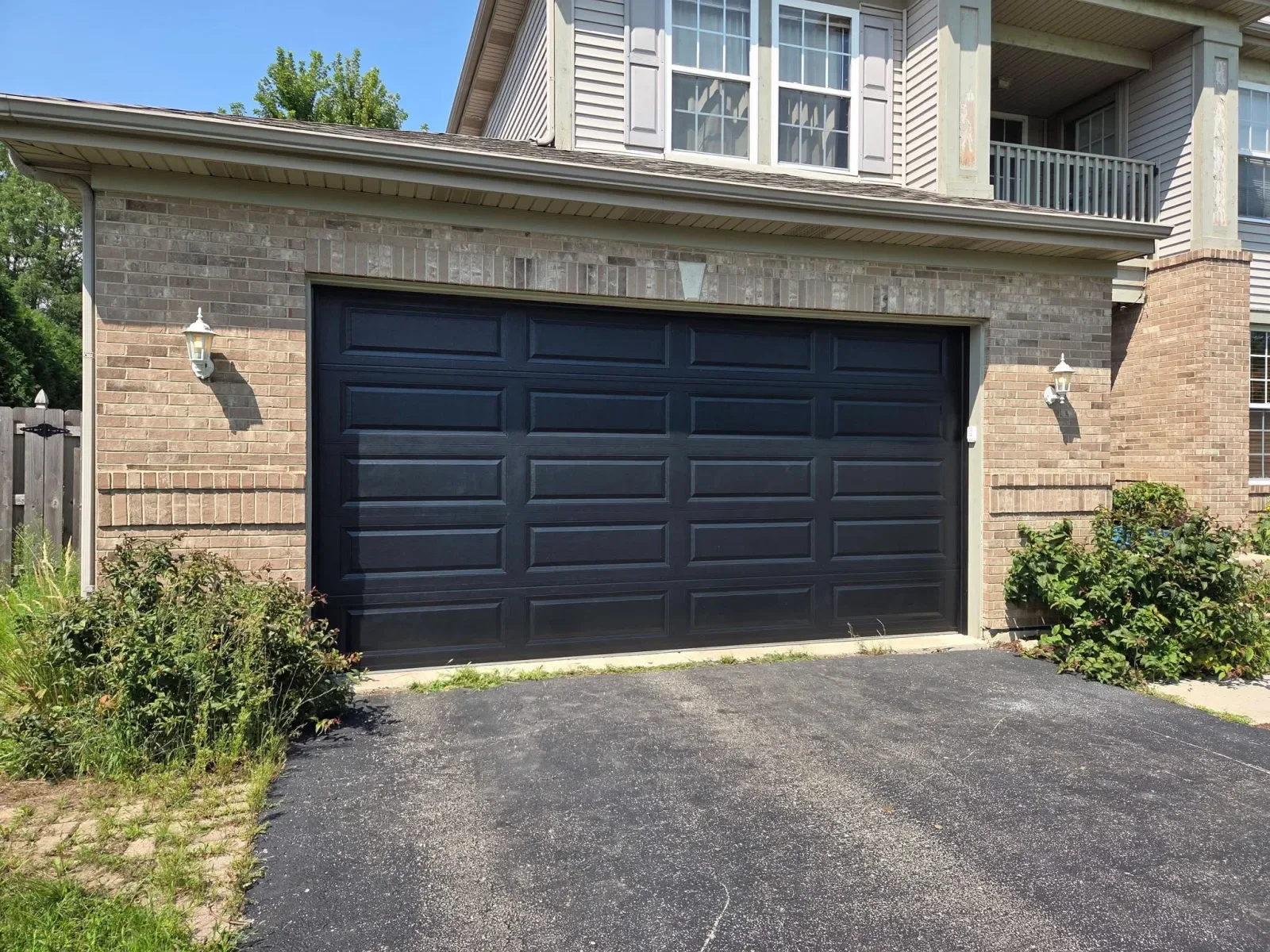
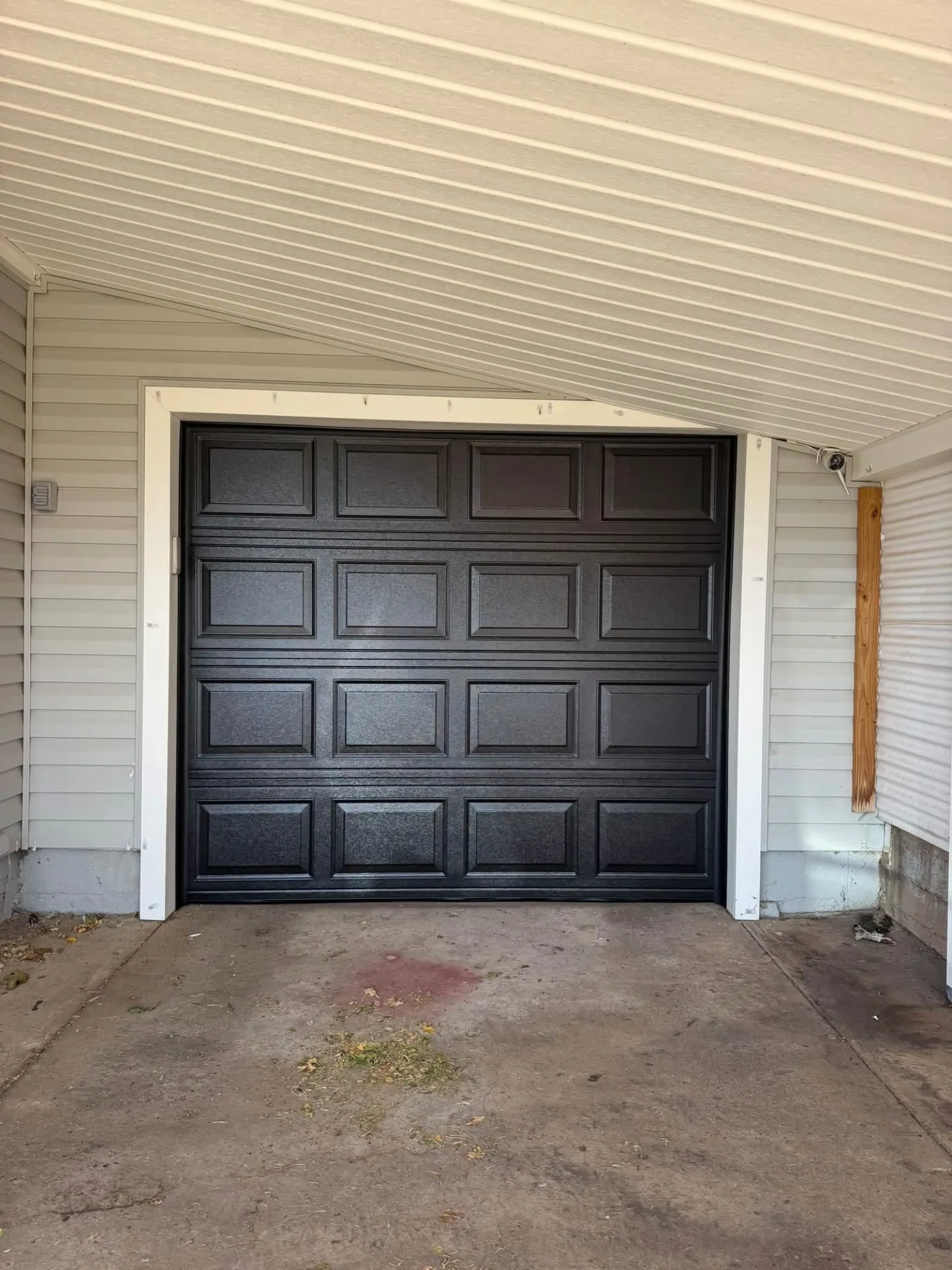
Our own photographs, on real DFW elevations, to show the families side by side — more of them are in the gallery.
Guides
Read before you call, if you want to.
What is safe to do now, what you can see from a distance, and what to tell us — written from the manufacturers’ own guidance.
Describe it however makes sense to you
Tell us what you want it to feel like.
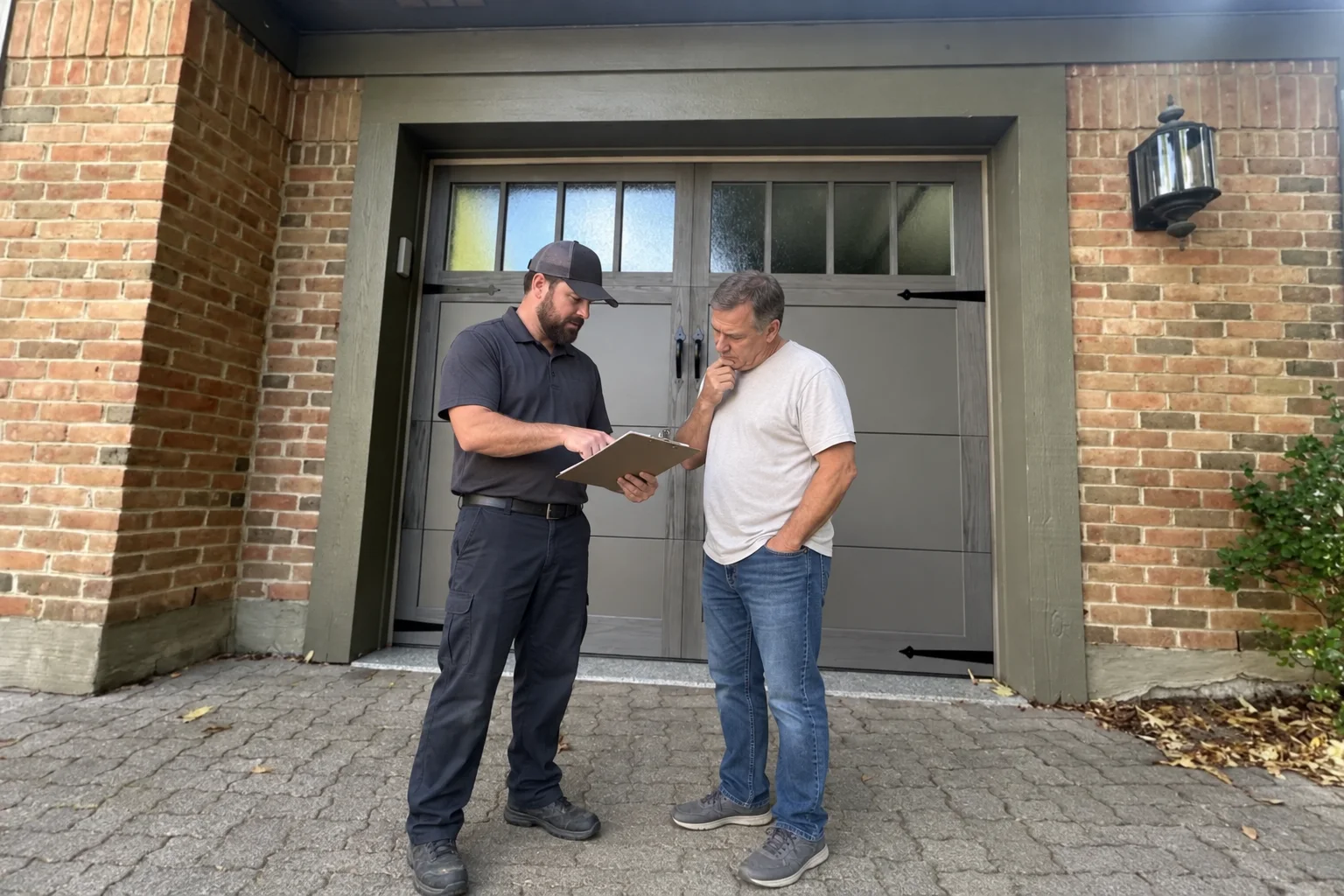
You do not need a model number or a line name. The opening, the house and what you want from the door are enough to start, and the measurement is ours to do.
- No model number needed. The opening and the house are enough to start.
- The written estimate is free. Nothing owed if you pass.
- Nothing is ordered until you approve the number.
Calls Answered 24/7
Questions people ask
Straight answers.
How do I choose a style without regretting it?
Does the style change what the door costs to run?
Can you repair what is there instead?
How does a new door get installed?
Do you charge to come out?
Where we work
From Coppell, across DFW.
Every city on this map is a drive from our base in Coppell, for a house or a commercial building. Tap yours for the local page, or call — a person answers 24/7.
Free Estimates. A person answers 24/7.
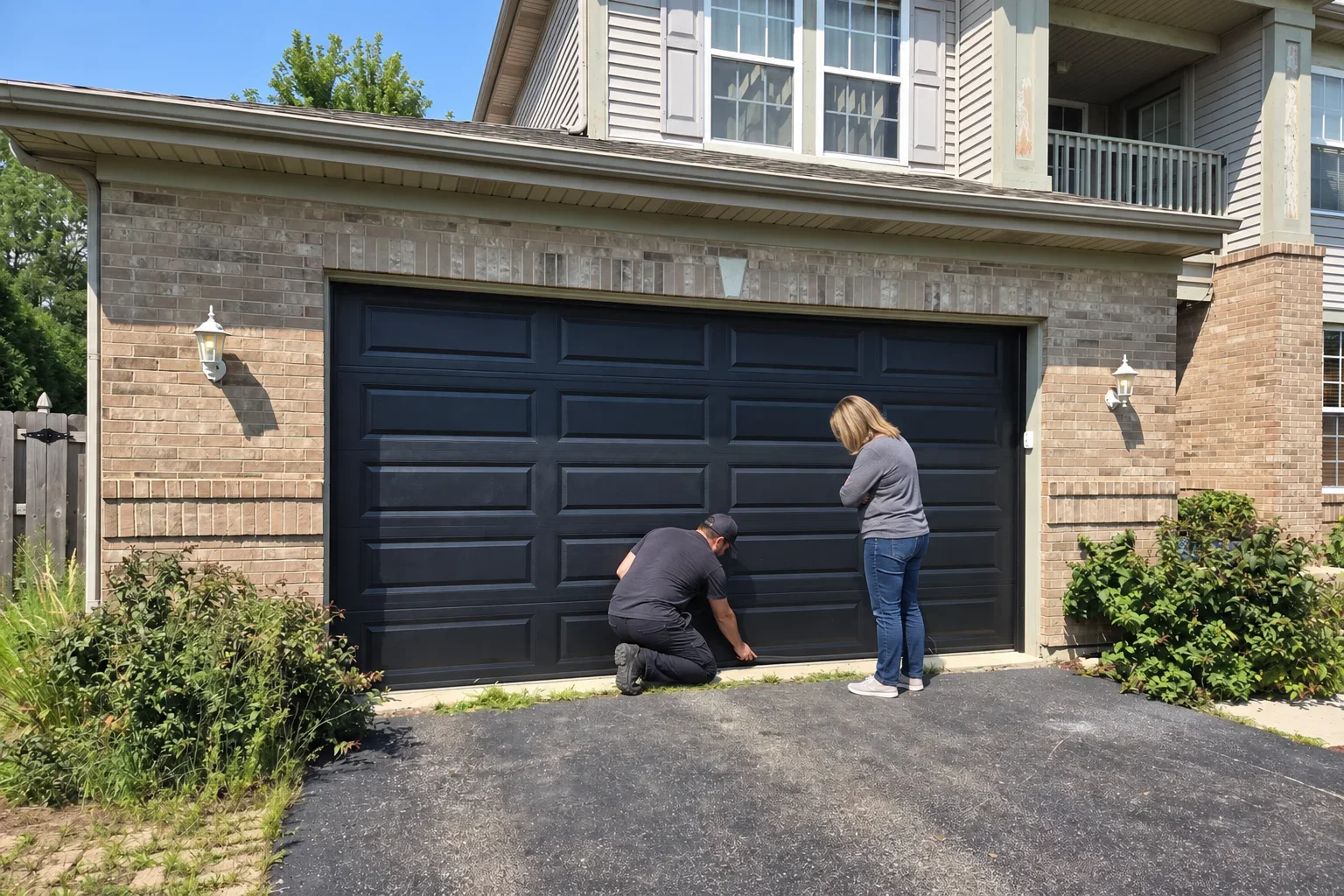
Tell us what the door is doing. The visit and the written estimate are free, nothing starts until you approve the price, and most standard repairs are paid after the work is done.