Commercial · loading dock doors
Loading dock door repair in DFW
When a bay is down, the trucks are the clock.
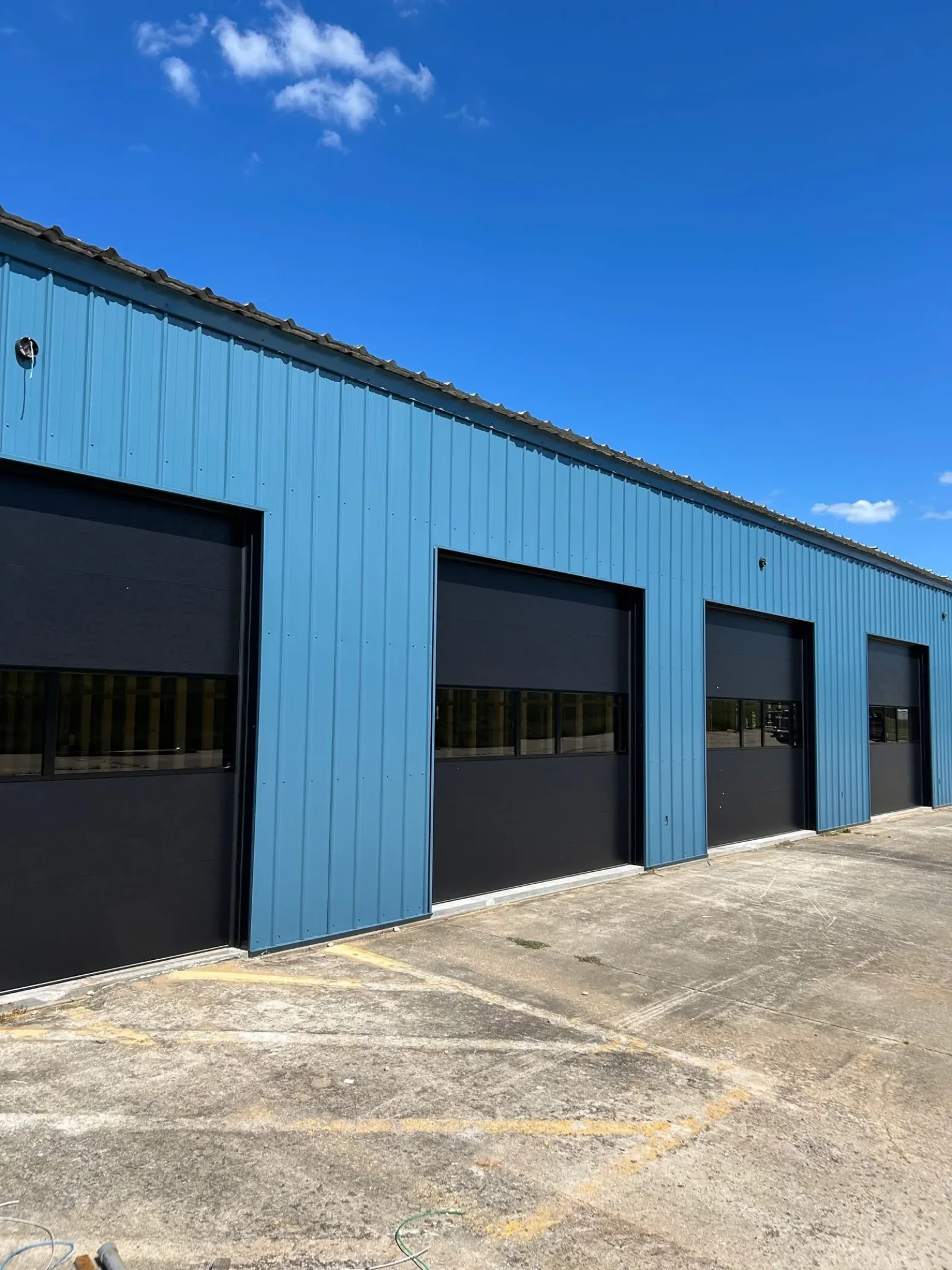
Loading dock doors repaired and installed across DFW — the overhead door and the opening it works in, scheduled around the bays that have to stay live.
If the door is unsafe to use right now, a person answers 24/7.
What you can count on
- Same-day service on most repairs.
- Upfront pricing. The price is on the estimate you approve before work starts, and the invoice matches it.
What the door is
Loading dock doors, described plainly.
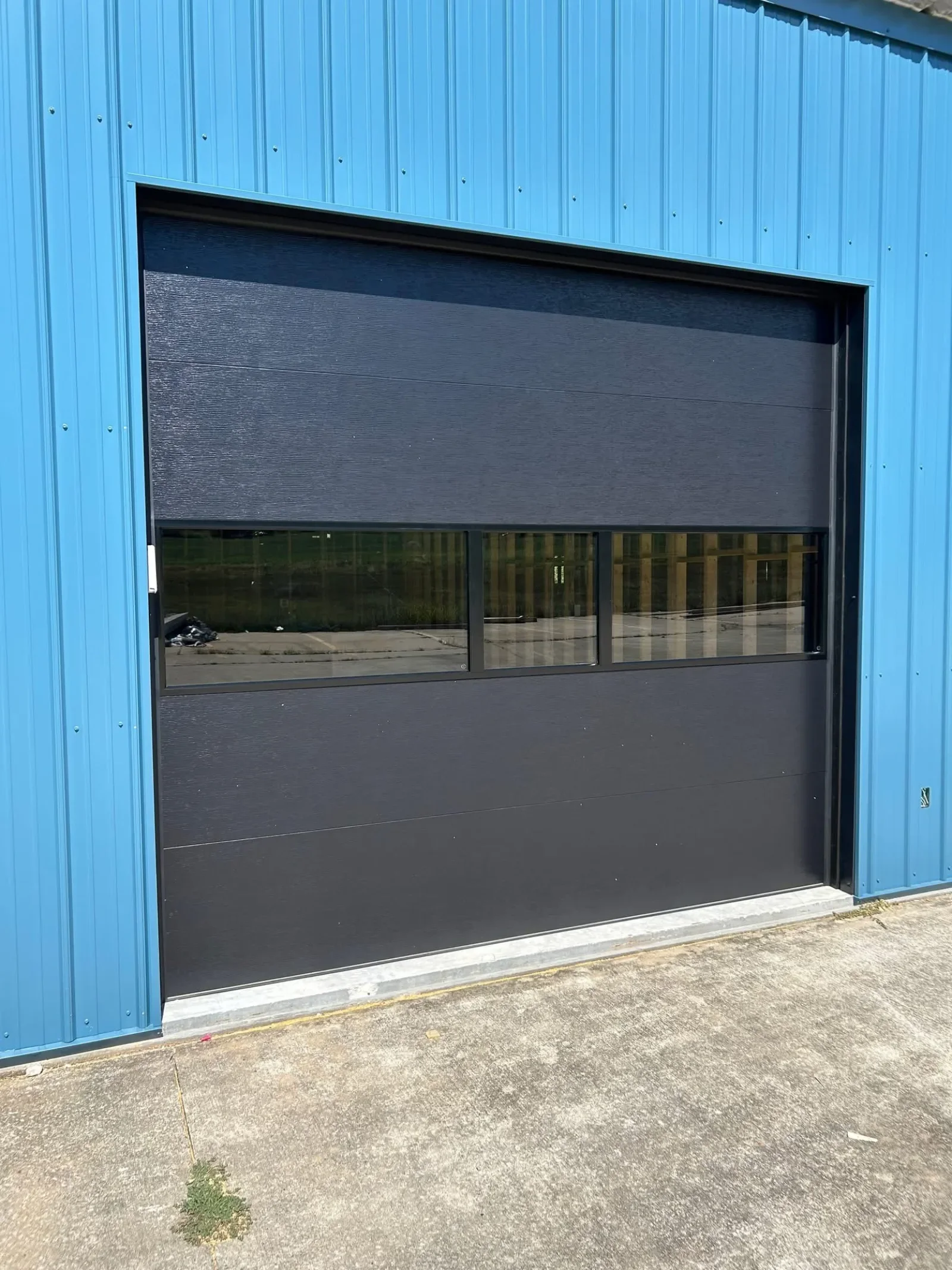
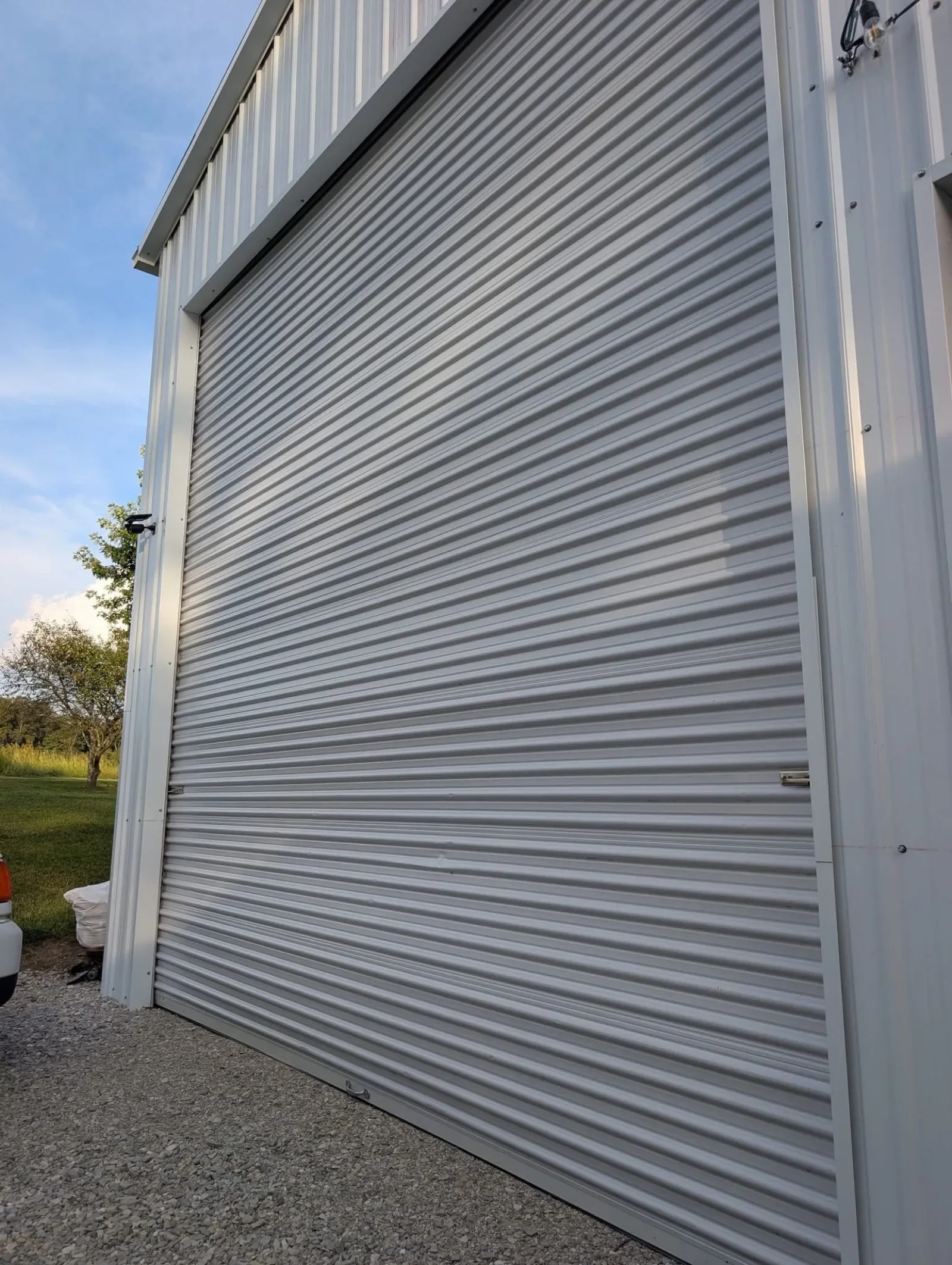
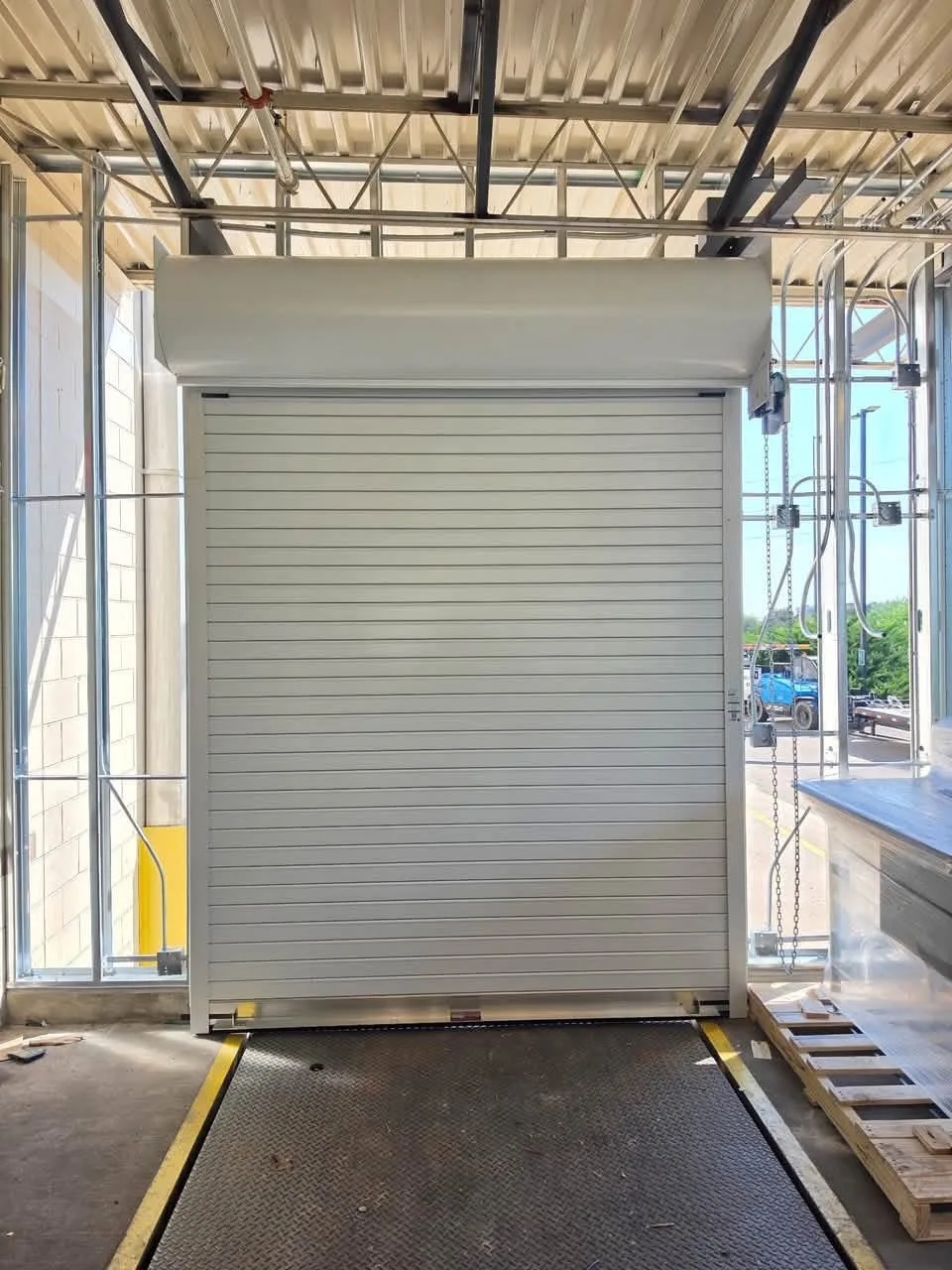
A loading dock door is the overhead door in a dock opening: usually a sectional door, sometimes rolling steel, working harder than almost any other door on a site because it cycles with every delivery.
It also works in the most hostile position on the building. Trailers reverse into it, forklifts pass through it, the seal takes a beating from both, and the whole assembly lives with vibration no residential door ever sees.
One boundary worth stating plainly, because it saves everybody a call: we work on the dock door, its counterbalance, its track and its operator. Dock levelers, vehicle restraints and the control systems around them are not part of what we do.
Where it is usually working
- Distribution and fulfilment Doors cycling constantly, where downtime is measured in trailers.
- Food and cold storage Where a door that will not seal is a temperature problem as well as a door problem.
- Manufacturing shipping bays Wide openings, heavy traffic, and usually a production line behind them.
- Retail and grocery delivery One or two bays taking every delivery the store gets.
- Contract and third-party logistics sites Many identical bays, where a standard specification across them pays for itself.
What actually fails
The six things we are called out for.
Described the way a facilities manager sees them rather than by part number. If what your door is doing is not on this list, call and describe it — a person answers 24/7.
- Impact damage A trailer or a forklift into the door. Sections, track, brackets, or all three at once.
- Springs and cables at dock cycle rates This is the door that reaches its cycle count first, and it usually fails at the least convenient moment.
- Track pulled out of line Vibration and contact loosen brackets, and a door that has been running slightly out of true eventually leaves its track.
- Bottom bar and perimeter seals Weather, grit and pests in, conditioned air out.
- Operators and safety devices Controls, limits, photo-eyes and edge devices on a door that runs all day.
- Openings that never quite got fixed The bay that has been “managed” with a strap or a wedge for months. Those are the ones that fail badly.
What to have ready
Five facts that sharpen the estimate.
A photo of the opening and the door label covers most of it.
- The opening and the approach Width, height, the largest trailer that backs in, raised dock or at grade, and bollards or bumpers beside the door.
- Track and headroom Standard lift, low headroom, vertical or high lift, and what hangs above: pipes, ducts, sprinkler lines.
- Door type and label Sectional or rolling, wind or impact rated. Send the maker’s label; a look-alike part can be weaker.
- Cycles per day How often each door runs in a shift, and whether the bay works round the clock.
- What hit it What struck it and where, with photos.
The rules around the door
What a dock supervisor should know.
Three rules that reach a dock door. Not legal advice.
- OSHA 1910.28: dock edges Dock edges 4 feet or more above the lower level need a guardrail, safety net or personal fall protection, with a narrow working-side exception. DASMA adds: open a dock door only with a vehicle in the opening or a barrier in place.
- UL 325: entrapment protection A door that can close by remote or timer needs a monitored external device, such as a photo-eye or sensing edge. DASMA says primary photo-eyes sit no higher than six inches above the floor.
- OSHA 1910.147: outside servicing Where the lockout/tagout standard covers the work, you and the outside employer must exchange procedures. Whether it covers a dock door is your safety lead’s call.
Upkeep for a busy door
How often to look, and who does it.
The maker’s manual sets the schedule for your door. These are the baselines published sources give.
- After an impact that damages the door Stop running it under power. One maker’s manual says not to keep operating a damaged door.
- Monthly Test the photo-eyes as the operator’s instructions describe; look over the track for damage and loose bolts.
- Every six months, or as required Rollers, hinges, hardware, bottom seal, cables, set screws, lubrication. Spring work is for a trained technician.
- Rolling steel dock doors DASMA says a trained technician should inspect at least annually, or as the maker recommends.
Sources
- OSHA — 29 CFR 1910.28, duty to have fall protection (eCFR)
- OSHA — 29 CFR 1910.147, control of hazardous energy (eCFR)
- UL Solutions — ANSI/CAN/UL 325, door and gate operators and systems
- DASMA — Technical Data Sheet 382, “Proper Installation of Photoelectric Non-Contact Sensors on Vehicular Commercial Doors”
- DASMA — Door & Access Systems, Summer 2010, “New UL 325 Requirements for CDOs”
- DASMA — Technical Data Sheet 182, “Technical Considerations for Dock Doors”
- DASMA — Technical Data Sheet 183, “Garage Door Component Substitution”
- DASMA — Technical Data Sheet 190, “Factors Affecting Spring Cycle Life”
- ANSI/DASMA 102-2018 — Specifications for Sectional Doors
- Overhead Door Corporation — Operation & Maintenance Manual, sectional doors, preventative maintenance
- DASMA — Technical Data Sheet 270, “Recommended Rolling Door Maintenance Practices”
- DASMA — Technical Data Sheet 375, “Motor Operated Commercial Sectional Doors and Rolling Doors”
All sources read . Linked so you can check them rather than take our word for it.
What a visit involves
The estimate is the document you route.
A technician looks at the opening with you and writes the price before anything starts. Nothing begins until it comes back approved, and the invoice matches the number you approved.
- Tell us which bays have to stay live And when the trucks run. Dispatch schedules around the dock rather than around our day.
- One visit, every door, where that helps If a technician is on site, having the other bays looked at is the cheapest inspection you will get.
- Made safe, then finished Where the work cannot be finished in one visit, we leave the opening as secure as it can safely be made and book the return.
- A written quote to your approver before any work starts The estimate is the document you route. Nothing begins until it comes back approved, and the invoice matches the number approved.
- 5-Year Warranty on All Parts & Labor. Five years on parts and labor, every repair and every install.
Describe it however makes sense to you
Tell us which opening, and when it has to run.
Tell us about the opening, the door and the traffic it has to carry. A technician measures on site, and nothing is ordered until the written estimate comes back approved.
- No spec sheet needed. The opening and how the dock runs are enough to start.
- The written estimate is free. Nothing owed if you pass.
- Nothing is ordered until the estimate comes back approved.
Calls Answered 24/7
Not this door?
The other commercial openings.
Each page says what that door type is, what fails on it, and what a visit involves. Or start at the commercial overview.
Questions people ask
Straight answers.
Do you work on dock levelers and restraints?
Can you come outside our operating hours?
A bay is down right now and we cannot ship
What counts as one cycle on a dock door?
Can we keep running a door a forklift hit?
Why does the door only close while I hold the button?
Does leaving a dock door open all shift hurt it?
The operator keeps failing. Is it the operator?
Are you insured?
How does approval work on a PO?
Do you charge to come out?
What does the warranty cover?
More answers on the questions page. Financing Available — how it works, in plain words.
Where we work
From Coppell, across DFW.
Every city on this map is a drive from our base in Coppell, for a house or a commercial building. Tap yours for the local page, or call — a person answers 24/7.
- Commercial garage door repair in Coppell
- Commercial garage door repair in Dallas
- Commercial garage door repair in Fort Worth
- Commercial garage door repair in Arlington
- Commercial garage door repair in Plano
- Commercial garage door repair in Frisco
- Commercial garage door repair in McKinney
- Commercial garage door repair in Denton
- Commercial garage door repair in Garland
- Commercial garage door repair in Irving
- Commercial garage door repair in Lewisville
- Commercial garage door repair in Flower Mound
- Commercial garage door repair in Carrollton
- Commercial garage door repair in Grapevine
- Commercial garage door repair in Southlake
- Commercial garage door repair in Keller
- Commercial garage door repair in Richardson
- Commercial garage door repair in Allen
- Commercial garage door repair in Mesquite
- Commercial garage door repair in Addison
- Commercial garage door repair in Farmers Branch
- Commercial garage door repair in Euless
- Commercial garage door repair in Colleyville
- Commercial garage door repair in The Colony
- Commercial garage door repair in Highland Village
- Commercial garage door repair in Trophy Club
- Commercial garage door repair in Hurst
- Commercial garage door repair in North Richland Hills
- Commercial garage door repair in Celina
- Commercial garage door repair in Bedford
- Commercial garage door repair in Westlake
- Commercial garage door repair in Las Colinas
- All service areas
Free Estimates. A person answers 24/7.
Tell us what the door is doing. The visit and the written estimate are free, nothing starts until you approve the price, and most standard repairs are paid after the work is done.