Buying guide · a guide, not a sales page
Does an insulated garage door keep the garage cooler in Texas?
Cooler than it is now, in most attached garages. Not cool. Insulation slows heat moving through the biggest opening in the house; it does not remove the heat that is already in there.
The short answer
Insulated doors and Texas heat: the short answer
An insulated door makes an attached garage more temperate, quieter and more solid. It is not air conditioning, and it will not, on its own, turn a west-facing Texas garage into a comfortable room in August. Whether you feel the difference depends far more on how the garage is used than on any number in a brochure.
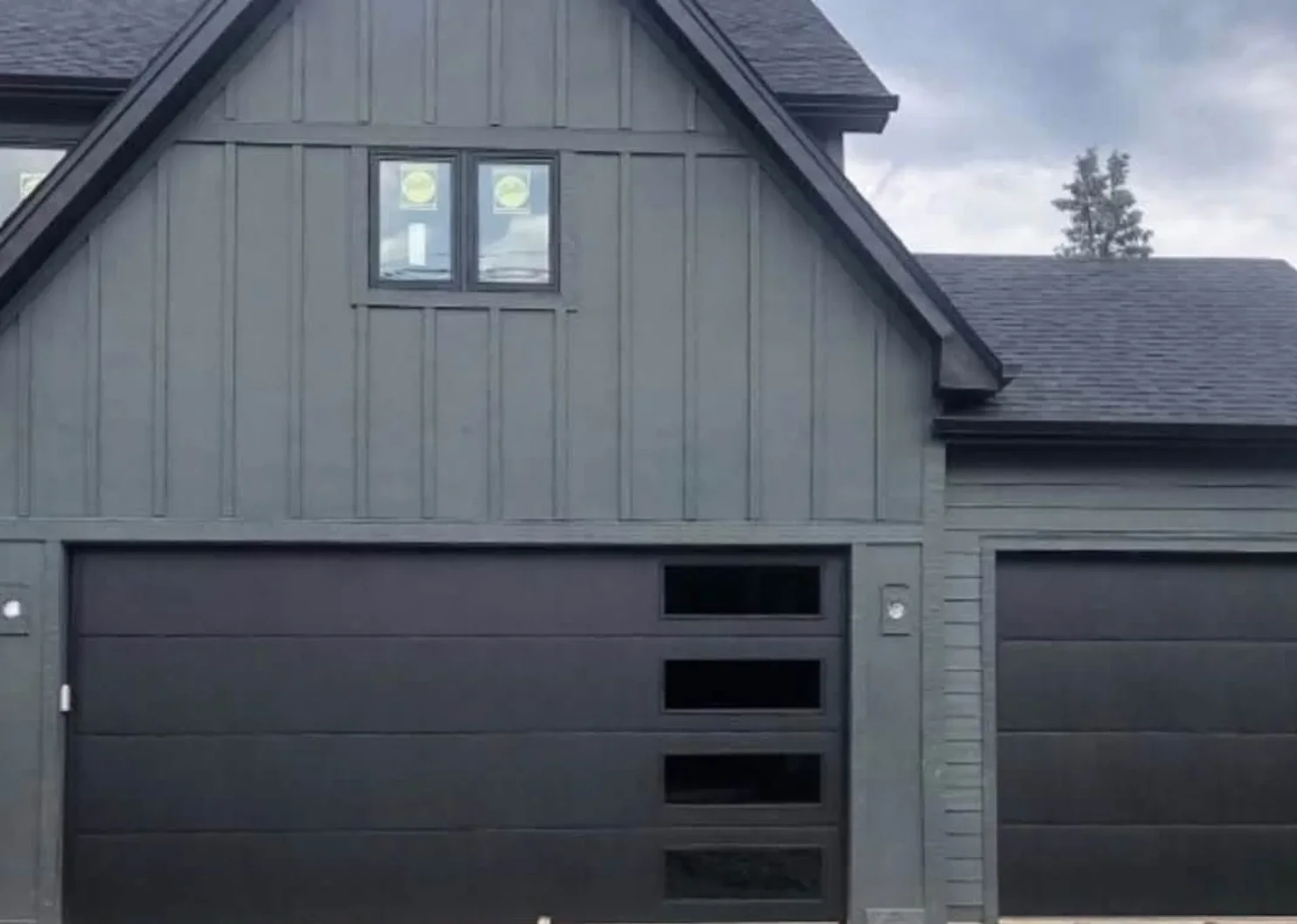
What an insulated door actually changes
Two things. It slows heat moving through the sections, and — because a layered door is built differently at its edges — it usually leaks less air around the perimeter.
The practical effect is that the garage tracks closer to shade than to full sun. On a July afternoon that is a real difference, and it is not the same as cool.
What it cannot do
It cannot remove heat that is already in the space. That is what air conditioning does, and a door is not one.
And it cannot rescue a badly sealed opening. What the whole assembly does — joints, perimeter seals, the gap at the floor — matters at least as much as what the sections are made of. A well-built door with a tired bottom seal is a well-built door with a hole under it.
Free Estimates
5-Year Warranty on All Parts & Labor.Five years on parts and labor, every repair and every install. We look at the door with you first, and nothing starts until you approve the number.
Who actually feels the difference
- Attached garages Especially where the garage shares a wall or a ceiling with a room somebody sleeps or works in.
- Rooms above and beside the garage The bedroom over the garage is the classic complaint, and the door is one of the surfaces feeding it.
- Garages people use A workshop, a gym, a laundry, the room the kids run through eight times a day.
- West-facing doors A door taking full afternoon sun is doing more work than one that never sees it.
The parts nobody mentions until they own one
A layered door runs quieter. There is more mass in the section and less drumming, and if the garage is under a bedroom that alone is worth something.
It also takes a knock better. A single skin dents where a layered section flexes, which matters on the door a basketball meets every weekend.
How to choose without overbuying
Match the construction to how the garage is used rather than to the largest number available. A detached garage that stores a car does not need what an attached workshop needs, and we will say so rather than sell you the upgrade.
The one thing worth spending attention on either way is the seal at the floor and the jambs. It is cheap relative to the door and it does a share of the work the door usually gets credit or blame for.
Free Estimates · a person answers 24/7
5-Year Warranty on All Parts & Labor.Five years on parts and labor, every repair and every install. Call, or send the form and a person calls you back.
Sources
- Clopay — residential garage door service and support
- DASMA — Technical Data Sheets (Door & Access Systems Manufacturers Association)
All sources read . Linked so you can check them rather than take our word for it.
Written from the manufacturers’ own published guidance — every source is linked above.
What you can count on
- Upfront pricing. The price is on the estimate you approve before work starts, and the invoice matches it.
Straight answers
Questions people ask about this.
Will an insulated door make my garage cool in summer?
Is it worth it on a detached garage?
Do the seals matter as much as the insulation?
Describe it however makes sense to you
Read enough? Tell us about the door.
However you describe it is enough — no part names needed. The visit and the written estimate cost you nothing, and nothing starts until you approve the number.
- However you describe it is enough. No part names needed.
- The written estimate is free. Nothing owed if you pass.
- Nobody starts the repair until you approve the number.
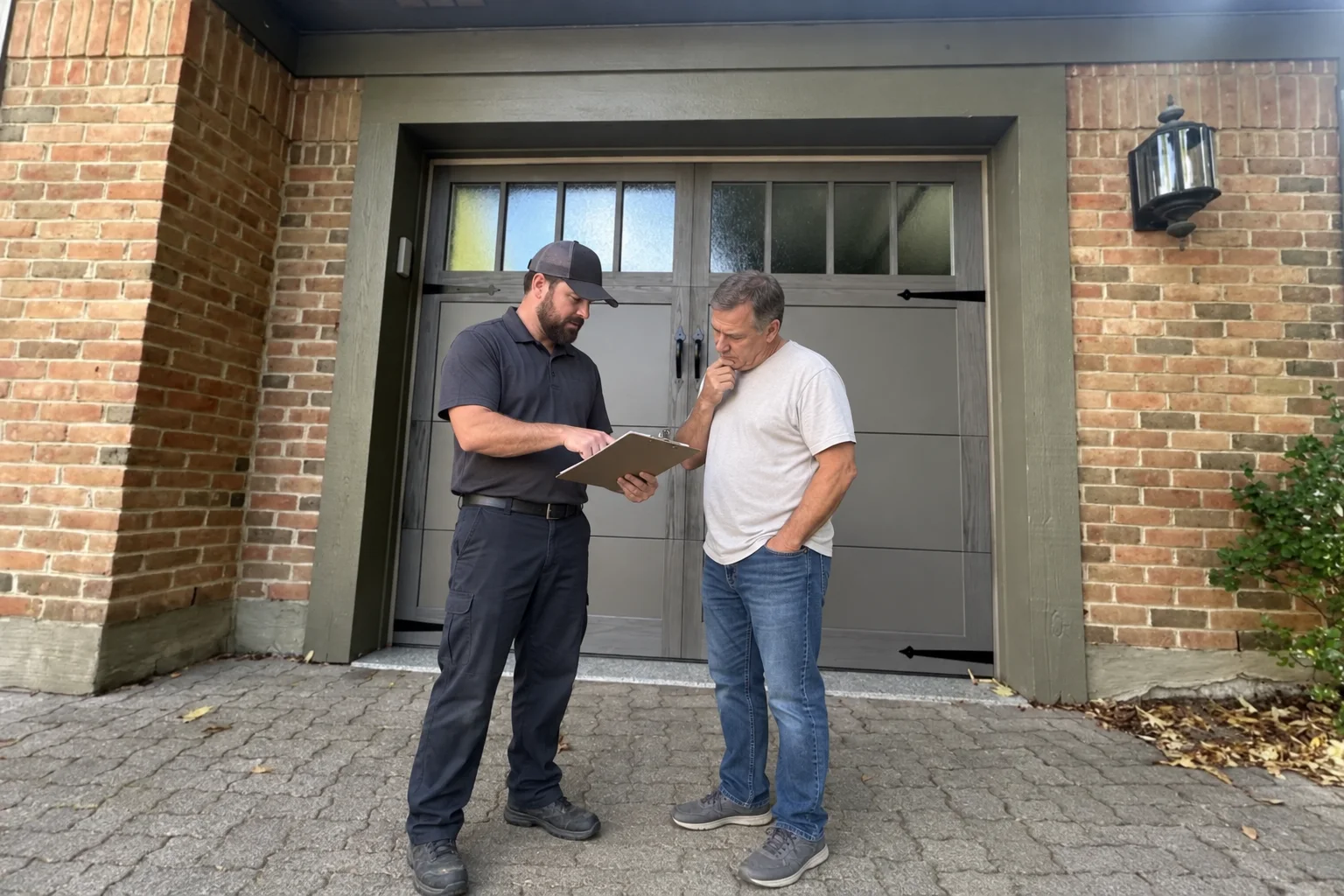
Calls Answered 24/7
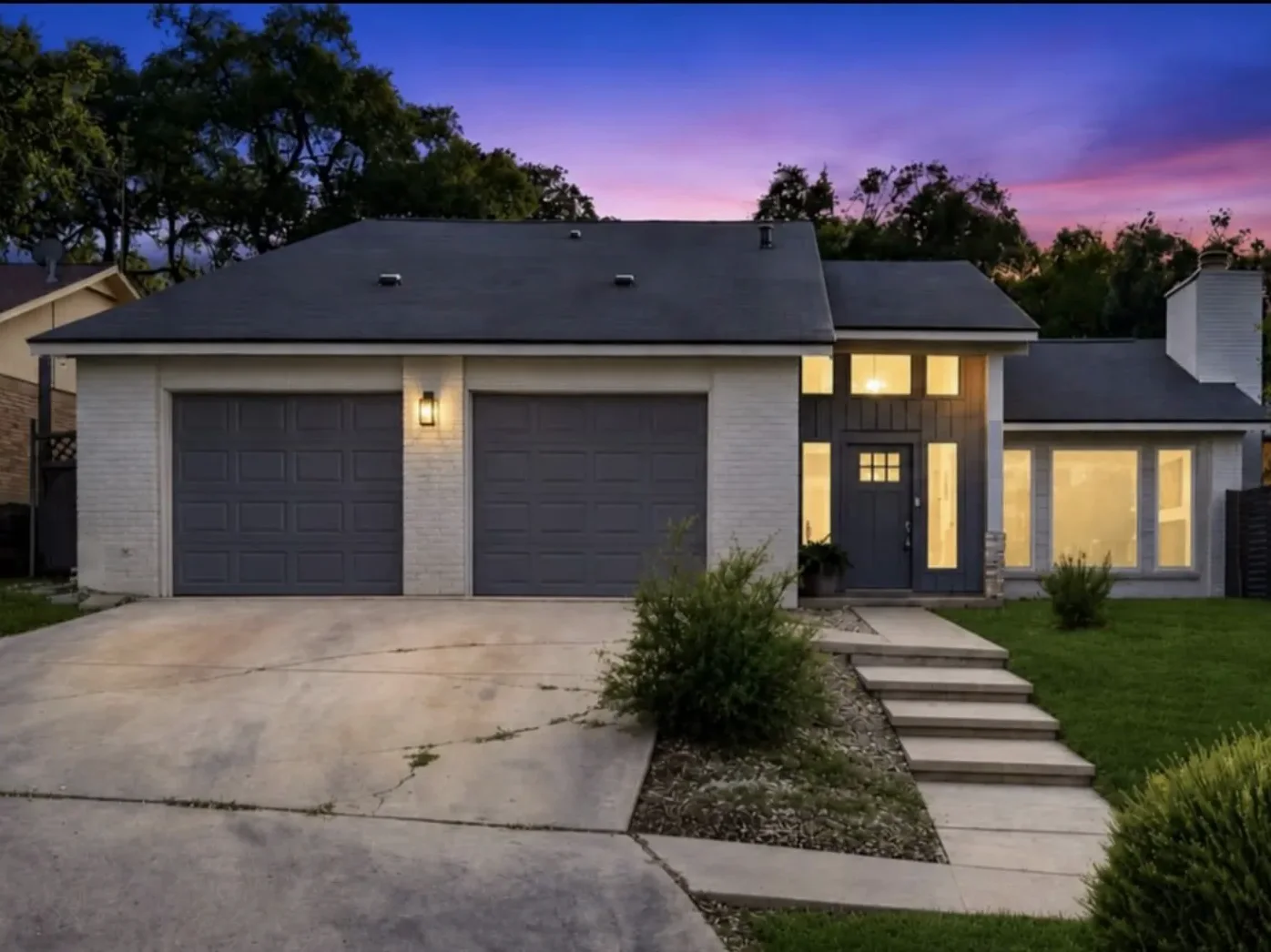
One call, and the door problem becomes ours.
A person answers 24/7. We look at the door with you first, and the written estimate comes before the work.